The Strategic Role of Restaurant Interior Design in the UK Market
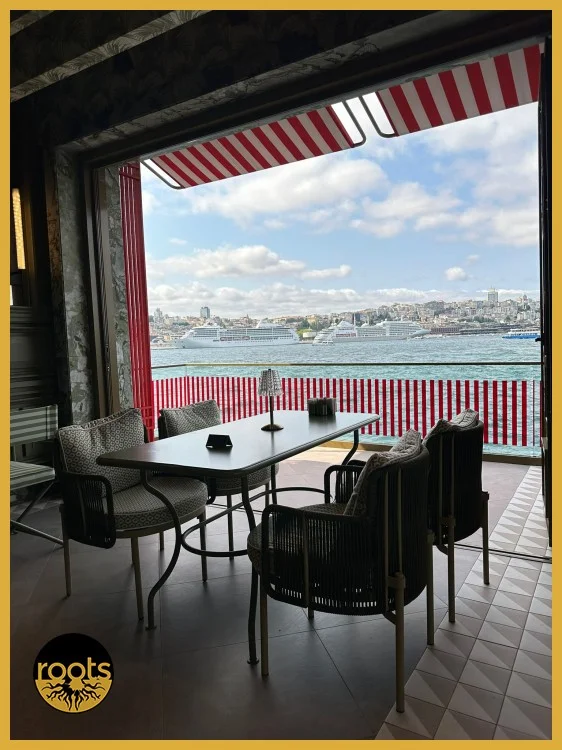
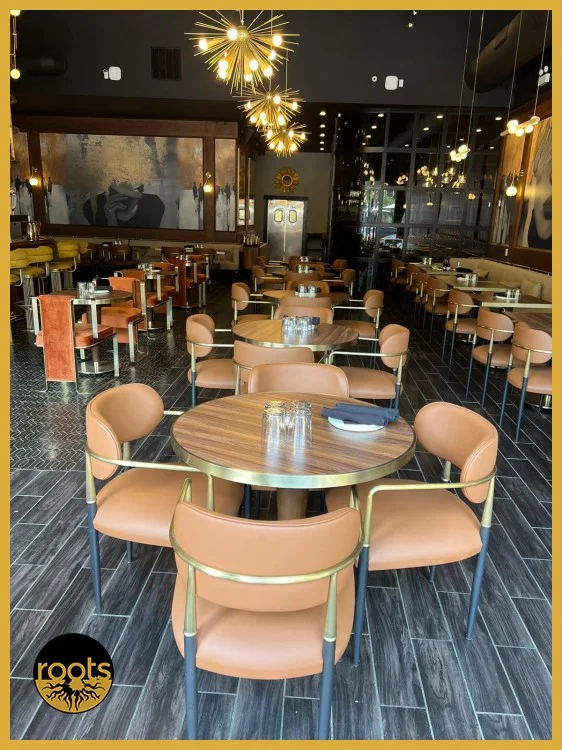
In the competitive culinary landscape of England, restaurant interior design is far more than just aesthetic decoration; it is a critical business tool that directly influences customer retention and brand identity. A well-executed design bridges the gap between the food served and the emotional response of the guest. Whether it is a historic pub in the Cotswolds or a high-end contemporary eatery in London, the physical environment dictates how long a customer stays and how much they are willing to spend.
For investors and restaurateurs, understanding the nuances of England restaurant interior design means recognizing the balance between heritage preservation and modern functionality. The goal is to create a space that meets operational efficiency while providing an immersive atmosphere that aligns with the target demographic’s expectations.
Who is Professional Interior Design For?
Professional interior design services are essential for a wide range of stakeholders in the hospitality industry:
- New Entrepreneurs: Individuals launching their first venture who need to establish a strong brand presence from day one.
- Established Brands: Groups looking to refurbish or scale their concepts while maintaining brand consistency across different locations in the UK.
- Heritage Property Owners: Those operating in Grade I or II listed buildings who require specialized knowledge to modernize interiors without compromising structural integrity.
- Boutique Cafes and Gastropubs: Small-scale businesses aiming to maximize limited square footage through smart spatial planning.
Meeting Functional and Aesthetic Needs
A successful design project addresses several core needs that are often overlooked by the untrained eye. First is the spatial flow—ensuring that the transition between the kitchen, the bar, and the dining area is seamless for staff, which in turn speeds up service. Second is the acoustic management; in many modern English restaurants, hard surfaces can create excessive noise, making conversation difficult. Professional design incorporates sound-absorbing materials disguised as art or architectural features.
Furthermore, lighting design plays a pivotal role. In England’s varied climate, the transition from natural daylight to evening ambiance requires a layered lighting approach. This ensures the space remains inviting during grey afternoons and intimate during late-night service.
Material Comparison and Durability
Choosing the right materials is a balancing act between initial cost, maintenance, and the "vibe" of the establishment. Below is a comparison of commonly used materials in English restaurant interiors:
| Material Type | Durability | Primary Use | Relative Cost | Maintenance |
|---|---|---|---|---|
| Solid Oak / Hardwood | High (Ages well) | Flooring, Furniture | High | Regular Polishing |
| Reclaimed Brick | Excellent | Feature Walls | Medium | Very Low |
| Polished Concrete | Very High | Flooring, Counters | Medium-High | Low (Sealant needed) |
| Brass & Copper | Medium | Lighting, Bar Accents | High | High (Tarnish control) |
| Industrial Steel | Extreme | Kitchen/Open Ceilings | Medium | Low |
Differentiating from Alternatives
When considering England restaurant interior design, one might weigh the options between a "DIY" approach, a general contractor, or a specialized hospitality design firm. Specialized firms differentiate themselves through ergonomic kitchen integration and a deep understanding of local building regulations and licensing laws in the UK. Unlike general residential design, commercial restaurant design must withstand high-volume foot traffic and adhere to strict health and safety standards (CIBSE lighting levels, fire-rated materials, etc.).
Key Considerations Before Investing
Before committing to a design concept, consider the following points to ensure a high return on investment:
- Target Audience Profile: Is the design appealing to the local demographic? A minimalist industrial look may work in East London but might feel cold in a traditional village setting.
- Operational Capacity: Does the layout maximize the number of "covers" (seats) without making the space feel crowded?
- Longevity of Trends: Avoid over-reliance on fleeting "Instagrammable" trends. Focus on timeless elements with small, replaceable trendy accents.
- HVAC Integration: In the UK, proper heating and ventilation are crucial. The design must accommodate these systems without ruining the visual appeal.
Frequently Asked Questions
What is the typical timeline for a restaurant interior project in England?
Depending on the scale and whether the building is listed, a project can take anywhere from 12 weeks to 6 months. This includes the conceptual phase, technical drawings, and the actual fit-out.
How does interior design affect the menu pricing?
There is a direct psychological link between the environment and perceived value. High-quality finishes, comfortable seating, and professional lighting allow for a premium pricing strategy as guests perceive the experience as "fine dining" or "luxury."
Are sustainable materials common in UK restaurant design?
Yes, sustainability is a major factor. Many English designers now prioritize biophilic design (incorporating plants), recycled timber, and low-energy LED systems to meet both consumer demand and environmental regulations.
Can I renovate a historic building without losing its character?
Absolutely. Expert designers specialize in "adaptive reuse," where modern amenities are integrated into the existing fabric of the building, often highlighting original stone or timber work as a primary design feature.
The Decision-Making Process
Choosing to invest in professional interior design is a decision to invest in the longevity of your business. It is about creating a "sense of place." When evaluating options, prioritize portfolios that show a range of styles and a clear understanding of the hospitality workflow. A beautiful room is useless if the waiters cannot navigate the tables or if the guests feel exposed to the kitchen heat. The most successful English restaurants are those where the design feels inevitable—as if the space could not have been organized in any other way.